Removals in Paddington

Removals in Paddington need a service that is organised, careful and practical from the first packed box to the final placement of furniture. We provide house moves, flat removals, office relocations and smaller transport support for customers who want their belongings moved with as little disruption as possible. The work can include loading, carrying, secure transit and unloading, with a plan that suits the property layout, access points and the volume of items involved.
Our removals service is suitable for a single room, a family property or a business move that needs a steady, coordinated approach. We can handle bulky furniture, boxed contents, mixed household items and items that need particular care during handling. For a broader overview of what is available, see our removal services page, which sets out the main options in one place.
If you are comparing move types or planning the order of a property clear-out, it helps to start with the practical details: what must be moved, what can travel together, and whether any items need dismantling or extra wrapping. When you are ready, request a quotation and we can help shape the move around your schedule and access needs.
House and flat removals

House and flat removals are often about more than simply moving boxes. Rooms may contain fragile items, awkward furniture and everyday belongings that need to be kept in the right order for unpacking. Our approach is intended to make the move manageable, with attention paid to carrying routes, protection of furniture edges and sensible loading so that items remain stable in transit. We can support moves from compact flats through to larger homes, with the work scaled to the amount that needs to go.
For households, it can be useful to think about which items should be moved first, which pieces may need to come apart, and whether anything should be wrapped separately from the rest of the load. If you need a fuller domestic move option, our home moves page is a useful place to look, while the house removals page covers the moving of household contents in more detail.
Common domestic move tasks can include stair carrying, furniture protection, careful stacking in the vehicle, and the reassembly or placement of key items at the destination. When you are planning, it is sensible to note access restrictions, parking limitations and any objects that need special handling. If you are comparing services, keep the focus on what is actually being moved and how much preparation it will require.
Packing support and protected transport

Packing is a major part of a successful move because it helps protect the contents of each room and makes unloading more orderly. We can support packing and unpacking work where it is needed, and can also assist with boxes, wrapping materials and the grouping of items so that breakable belongings do not sit loosely among heavier possessions. Good packing is not just about speed; it is about choosing the right size of box, keeping weight sensible and preventing items from shifting during transport.
Some customers prefer to pack the majority of their belongings themselves and leave only delicate or awkward items for extra support. Others want a fuller packing service so that the move day is less demanding. Our packing and boxes page sets out the materials and packing-related options, and the packing and unpacking services page is helpful if you want to understand how preparation and settling in can be combined.
When preparing for a quotation, it is useful to mention if any items are unusually heavy, breakable or difficult to stack. A short inventory, photographs of furniture and details of access points can make the arrangement clearer, especially where stairs, narrow corridors or limited parking are involved. That information helps the move be planned with fewer surprises and better use of time.
Furniture, specialist items and careful handling
Furniture removals often call for a different approach from boxed household goods because shape, weight and finish all affect how an item should be moved. Sofas, wardrobes, tables and beds may need protection, dismantling or both, while heavier items often need a stable carrying plan and the right equipment for safe movement. We treat these objects as part of the overall move rather than as afterthoughts, so that the loading sequence works for the full job.
For items that are particularly awkward, the move may need extra checking before collection. Our furniture removals page is useful if the main concern is moving larger pieces safely, while the furniture pick-up page suits one-off collection work where only selected items are being moved. Where a piano is involved, separate planning is sensible; our piano removals page covers that type of specialist job.
It is often better to separate the move into categories: everyday items, furniture, delicate possessions and anything unusually heavy. That simple structure helps reduce confusion when the vehicle is loaded and makes it easier to place items in the correct rooms on arrival. If there are pieces that cannot be moved by a normal household route, the safest answer is usually to flag them early and discuss the best method rather than hoping they will fit on the day.
Commercial moves and office relocation

We also support commercial moves where desks, chairs, files and equipment need to be transferred without losing the flow of the working day more than necessary. Office removal work depends on clear sequencing because items often need to be kept grouped by department, room or workstation. That means the move is not only about lifting and transport; it is also about keeping belongings ordered so that the new premises are easier to set up afterwards.
Businesses looking for a broader move plan may find our office removals page useful, especially where the relocation involves furniture and general contents together. If the move is larger or more structured, the office relocation services page gives a better indication of how a commercial transition can be organised around the layout of the premises and the type of equipment involved.
For offices and trading spaces, it helps to think about what needs to be moved first, what should stay in use until the last moment, and which items must be labelled for easy return. Planning in this way helps prevent unnecessary disruption. It also makes it easier to decide whether part of the move should be completed outside normal opening hours or in stages, depending on what the premises and the business can accommodate.
Move planning, access and quotation details

Good move planning starts with the facts of the job rather than broad estimates. The amount of furniture, the number of floors, lift access, distance to carry items and parking arrangements can all affect how the move is organised. We use these details to understand the practical shape of the work, which helps keep the removal straightforward and avoids overcomplicating the day with last-minute changes. Where storage is part of the plan, it can be folded into the same discussion.
Useful details for a quotation often include the property type, the destination, whether disassembly is needed, and whether any items need to be protected or moved separately. If you are gathering that information, the pricing and quotes page may help you think through what to prepare before you enquire, while the contact us page is the natural final step when you want to speak about the job directly.
Before you enquire, it is sensible to check access at both ends, note any narrow staircases or tight corners, and decide whether anything can be moved in advance. A clear list helps make the quotation more accurate and lets us match the service to the move rather than forcing the move to fit a fixed pattern. If you are ready to proceed, request a quotation and share the details that matter most.
Storage, timing and additional support
Some moves work best with a period of storage in between collection and delivery, particularly where dates do not line up neatly or where a property needs to be cleared before the next stage can begin. Storage can be useful when a completion date is uncertain, when access at the destination is delayed or when the amount of furniture being moved is too much for immediate unloading. The right arrangement depends on the load and the timing rather than a one-size-fits-all solution.
If you think your move may need to be split into stages, our storage page explains that option in a straightforward way. For smaller, simpler transport jobs, the man and van page and the man with a van page provide another useful route to consider, especially where the requirement is lighter than a full household removal. These pages can help you judge whether a compact service or a fuller removal team is the better fit.
Timing also matters when there are several loads to coordinate or when key items must arrive before other contents. In those cases, a good removal plan should keep the essential pieces accessible and the rest of the load arranged in a logical order. That makes unpacking more manageable and helps the move remain steady even when dates, access or property handover are not entirely simple.
About Paddington
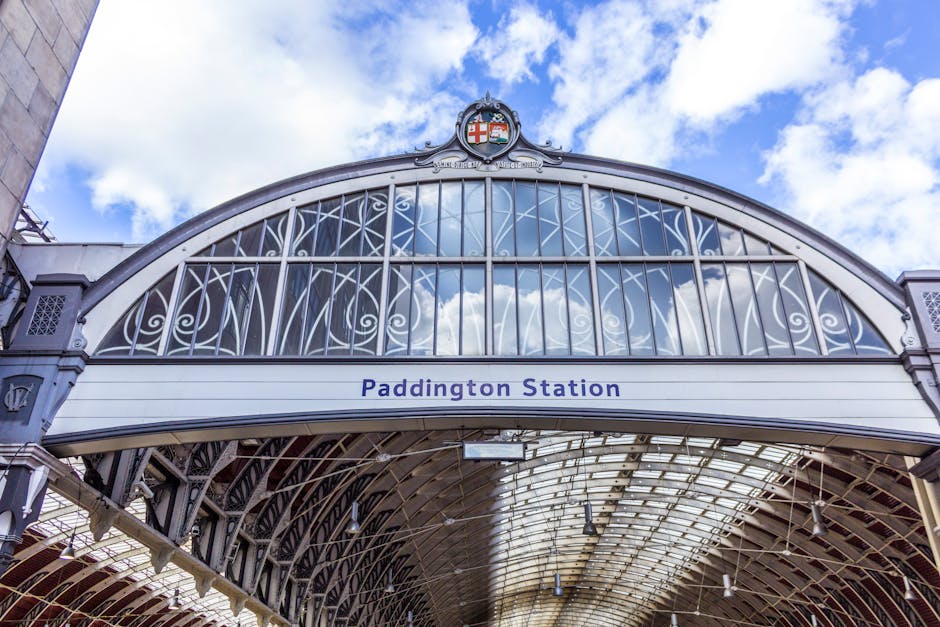
Paddington is a district in the City of Westminster, in central London, with a long history shaped by transport, canals and urban development. The area is known for Paddington railway station, a major terminus opened in the nineteenth century and closely associated with the Great Western Railway. The surrounding streets include a mix of residential terraces, hotels, transport links and commercial buildings, while the station itself remains one of the district’s defining landmarks. The Grand Union Canal, including the Paddington Basin area, adds a distinctive waterside character and links the neighbourhood to wider canal networks in London. Nearby, Little Venice is often noted for its canal boats, tree-lined waterways and calmer residential atmosphere. Hyde Park lies to the east, giving the district easy access to one of the capital’s largest royal parks, while the nearby West End and Marylebone connect Paddington to a broader pattern of shopping, business and cultural activity. The area has also been associated with significant redevelopment around the station and basin, bringing modern office buildings, apartments and public space into a place that still carries traces of older urban layers. Its architecture ranges from Georgian and Victorian streets to later commercial and transport-led developments, creating a landscape that reflects many periods of London growth. Paddington’s identity is therefore tied not only to a famous railway name but also to canals, movement, housing, and the continuing mix of old and new that marks much of central Westminster.
Household clearance and mixed-item moves
Not every removal is a full property move. Sometimes the job is to move a selection of contents, clear furniture from one room or help with a collection that includes a mixture of household items. In those cases, it is useful to separate what is being taken from what will stay behind, so that the loading is efficient and the destination receives only the items that belong there. This is often the simplest way to manage a partial move without losing track of smaller belongings.
Our broader service pages can be helpful when the job contains a few different elements. The removals page gives a general overview, while the flat removals page can be useful for customers dealing with apartment access, stairs and shared entrances. Where the requirement is more about carrying items than moving a whole property, the man with van page is another relevant option to review.
When planning this kind of move, it can help to decide whether the job should be handled in one load or split over more than one collection. Clarity at the start makes it easier to judge vehicle space, handling needs and the most sensible order for the items. That is especially true where one or two bulky pieces are being moved alongside boxes or mixed contents.
Service range and useful next steps
Our removals work brings together domestic moving, furniture transport, packing support, office relocation and storage-led arrangements in a way that stays focused on the practical details of the job. We aim to keep the service adaptable enough for different property types while still structured enough to protect the items being moved. Whether the move is straightforward or more involved, the right arrangement is the one that matches the load, the access and the timing.
If you are comparing related options, it can help to look at the pages that match your move most closely rather than trying to fit a complex job into a single label. The removal companies page can help with general comparison, and the same day removals page may be worth a look where timing is unusually tight. For more general company information, the about us page is also available, though the main focus here remains on the move itself.
When you are ready to move forward, gather the key details, decide what needs to travel, and choose the service level that fits the property and contents. If you want to keep things simple, ask for a quotation and use that as the starting point for planning the work in a clear and orderly way.