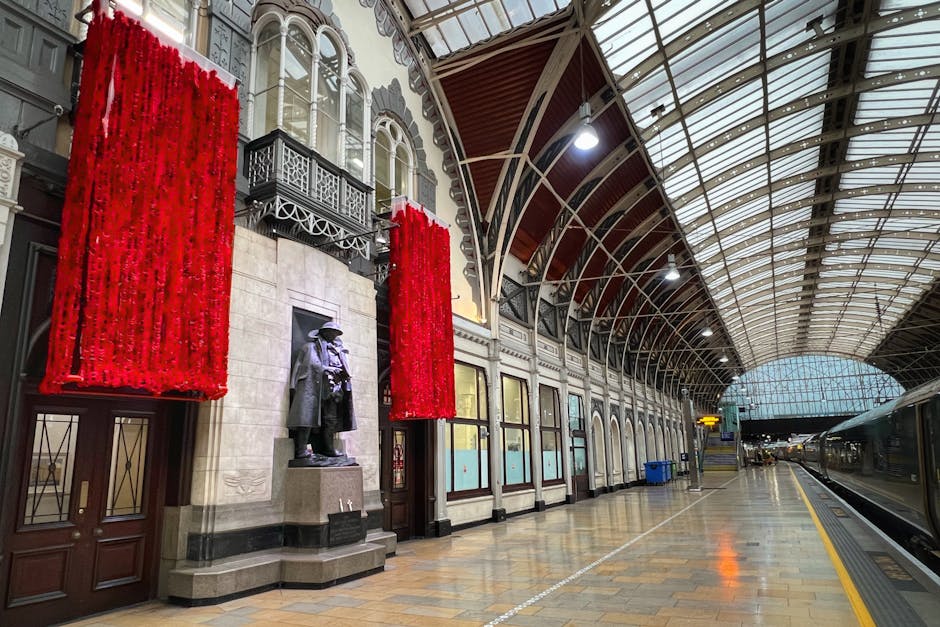
Paddington Station loading rules - do you need a permit?
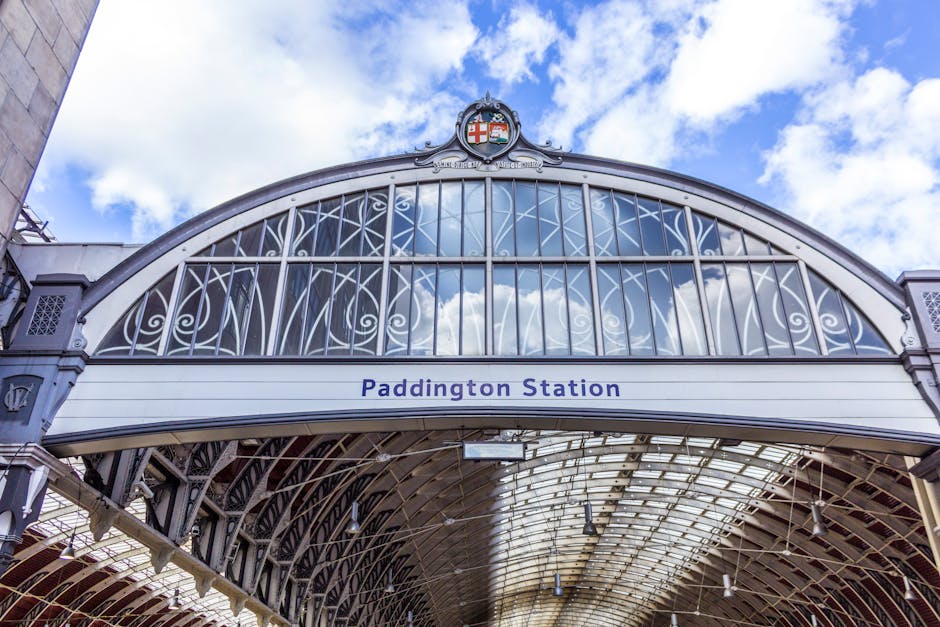
If you are planning a move, delivery, or collection near Paddington, the first question is usually not about boxes or van size. It is this: Paddington Station loading rules - do you need a permit? The short answer is that it depends on where you stop, how long you stay, and whether the space is controlled by the council, private land, or railway-related access. That sounds annoyingly vague, I know. But around a busy transport hub like Paddington, the difference between a smooth load and a stressful one can come down to a few very practical details.
This guide breaks the topic down in plain English. You will learn what loading rules usually mean in this part of London, when a permit may be needed, how to reduce the risk of a penalty or wasted journey, and what to do if you are moving a flat, a home, or even an office. Along the way, we will also look at sensible route planning, vehicle choice, and a few mistakes people make when they assume "it will probably be fine".
Why Paddington Station loading rules - do you need a permit? Matters
Paddington is not the kind of place where you can roll up in a van, leave the hazards on, and hope for the best. It is busy, tightly managed, and full of different access pressures at different times of day. There are commuters, taxis, buses, private vehicles, blue badge users, delivery vans, and pedestrians all trying to use the same streets and forecourt space. In that environment, loading is never just about convenience. It is about timing, road use, safety, and keeping traffic moving.
For most people, the real issue is not whether they can physically stop for a minute. It is whether they can stop legally long enough to load or unload without breaching local restrictions. If your vehicle is left in the wrong place, even briefly, you may end up with a fine, a complaint from station staff, or a very expensive delay. And if you are moving something awkward, like a sofa or a piano, one wrong decision can make the entire job feel ten times harder than it should be.
This matters even more if you are on a tight timetable. A moving crew arriving at 8:00 in the morning with a lift booking, rail passengers passing constantly, and no proper loading plan? That is the sort of setup that tends to unravel fast. By contrast, a booked and sensible approach usually saves time, stress, and a bit of money too.
Expert summary: around Paddington Station, assume loading is controlled unless you have confirmed otherwise. A permit, bay restriction, time limit, or specific access arrangement may apply, and the safest move is always to check before the van arrives.
How Paddington Station loading rules - do you need a permit? Works
The basic idea is straightforward: if you want to load or unload near Paddington Station, you need to use an area where stopping is allowed for that purpose. In practice, that usually means looking at a combination of road markings, signage, waiting restrictions, nearby loading bays, and any site-specific arrangements for station access or nearby premises.
Do you need a permit? Sometimes yes, sometimes no. That is the honest answer. Some loading areas are available to all drivers for a limited period. Others may require a permit, prior approval, a booked slot, or specific access permission. On some streets, you might be able to load legally only during certain hours. On others, stopping at the kerb might be restricted altogether. London is full of these little traps. They are easy to miss when you are focused on the bigger move.
A permit is usually relevant when one of these is true:
- you are using a controlled bay or special access area;
- your vehicle needs to stop longer than the free loading allowance;
- the area is managed by a private operator or station-related authority;
- local restrictions apply during peak hours or on event days;
- your move is part of a commercial delivery or larger removal operation.
If you are moving from a nearby flat, office, or short-stay accommodation, the easiest mistake is to assume the same rules apply everywhere around Paddington. They do not. One side street can be fine for quick loading, while another just a few minutes away may have much stricter restrictions. To be fair, that is London for you.
For anyone hiring help, it is also worth thinking about vehicle choice. A smaller vehicle may fit into tighter spaces more easily, while a larger removal truck may need a more deliberate loading plan. If you are weighing up man and van support, a larger moving truck, or one of the fuller removal services, the access question should come before the booking, not after.
Key Benefits and Practical Advantages
Getting the loading rules right does more than keep you compliant. It makes the whole move feel calmer. You will notice the difference almost immediately if the vehicle can pull in once, load efficiently, and leave without circling the station area looking for another spot. That is a small win, but in a busy part of London, small wins matter.
Here are the main benefits of planning properly:
- Less time wasted: no needless waiting while someone hunts for legal kerb space.
- Lower risk of penalties: fewer chances of parking or loading violations.
- Safer handling: better positioning means fewer awkward lifts across traffic or pedestrians.
- Better timing: easier to coordinate with lifts, building access, or rail arrivals.
- Less disruption: you avoid blocking residents, taxis, or station traffic.
- More predictable costs: fewer delays can reduce waiting time and extra labour costs.
There is also a quieter benefit that people only really appreciate afterwards: peace of mind. When you know the loading arrangement is sorted, you can focus on the move itself. That sounds simple, but anyone who has done a late-afternoon furniture shuffle near a mainline station will tell you it is everything.
If your move involves boxed items, awkward furniture, or multiple trips, you may also want to look at packing and boxes and furniture removals so the loading phase is faster and cleaner. A neat load often matters more than people think. Less faff, fewer crushed corners, fewer return trips.
Who This Is For and When It Makes Sense
This topic matters to more people than you might expect. Yes, it is important for removals, but it also applies to deliveries, collections, office changes, student moves, and furniture pick-ups. If your vehicle is going anywhere near Paddington Station and you need to stop, unload, or wait, you should check the rules first.
Typical readers include:
- Home movers relocating from a nearby flat or house;
- Tenants moving in or out of a managed block;
- Students shifting between accommodation during term breaks;
- Office teams handling desks, IT equipment, or archive boxes;
- Furniture buyers and sellers arranging collections or drop-offs;
- Landlords and agents coordinating changeovers;
- Removal firms planning a larger local operation.
It makes sense to get specific about the type of move. A same-day sofa collection is one thing. A full household move is another. A business relocation with multiple loading cycles is another again. If you are planning a bigger job, the logistics are worth a proper look, especially if you also need office removals or home moves.
For smaller or faster jobs, a local operator offering man with a van support can sometimes be enough. But again, that only works well if the loading location is legal and practical. No one enjoys a rushed start at the station curb with pedestrians weaving round the back doors.
Step-by-Step Guidance
If you want the cleanest answer to "do you need a permit?", use this step-by-step approach. It is not glamorous, but it is the sort of process that saves the day.
- Identify the exact loading point. Do not just say "near Paddington Station". Pin it down to the street, bay, or entrance.
- Check the signage on the spot. Loading rules often depend on time windows, maximum stay periods, or vehicle categories.
- Confirm whether the space is council-controlled or privately managed. That distinction can change who grants permission.
- Ask whether a permit or booking is needed. If the area is controlled, make sure you understand the process before the move day.
- Plan the vehicle size. A larger van may be efficient, but if it cannot safely access the bay, efficiency goes out the window.
- Leave a buffer in your schedule. Trains, traffic, and pedestrians all slow things down, particularly around busy stations.
- Prepare the load in advance. The quicker the handover, the easier it is to stay within any loading allowance.
- Keep documents handy. If you have permission, booking confirmation, or vehicle details, keep them easy to show.
A useful little habit: walk the route in your head before the vehicle arrives. Picture where it will stop, where the carry distance begins, and whether anything awkward sits in the way - bollards, steps, railings, or a narrow pavement that suddenly feels much narrower with a wardrobe on a sack truck. That mental rehearsal helps more than people expect.
If your move is time-sensitive, consider whether same-day removals is realistic or whether you would be better off staging items in storage first. Not every move needs to happen in one breathless go.
Expert Tips for Better Results
Here is the practical side that tends to come from experience rather than theory. The first tip is simple: do not plan only for the van. Plan for the human carrying distance too. A legal loading place that is technically "nearby" can still be a bad choice if it means dragging heavy items over an awkward route or across a busy pavement.
Second, think about timing. Around transport hubs, the day is never neutral. Early morning can be calmer, but not always. Midday may be choked with traffic. Late afternoon can bring its own noise, urgency, and people arriving in waves. If your schedule is flexible, use that to your advantage.
Third, reduce the number of trips. Load items in the order they will be unloaded, keep fragile boxes separate, and make sure labels are visible. It sounds basic. It is basic. And yet it saves people from re-handling the same item three times, which is usually how backs start complaining.
Fourth, use the right help. If you are moving a full flat, a couple of helpers and a small van may be much better than trying to use a large vehicle that cannot stop comfortably. For more involved moves, a team used to the area can make a massive difference. The same is true for flat removals and house removals, where access often matters more than distance.
One more thing: keep a realistic attitude. London loading often looks easier on paper than it does at the kerb. That is not a failure; it is just the reality of the environment.
Common Mistakes to Avoid
Most problems around station loading are not dramatic. They are ordinary mistakes made under pressure. The trouble is, ordinary mistakes can still cost you time or money.
- Assuming the rules are the same everywhere nearby. They often are not.
- Turning up without checking time restrictions. A loading bay may exist, but not at the time you need it.
- Using a larger vehicle than the access point can comfortably handle. Big is not always better.
- Forgetting that pedestrians need space too. Blocking a footway is a fast route to trouble.
- Not preparing the load beforehand. The longer you take, the greater the risk.
- Ignoring building rules. A permit for the street does not always solve access inside a block.
- Leaving the paperwork at home. If permission exists, keep evidence close by.
There is also a psychological mistake: trying to wing it because the job feels small. A single wardrobe collection can become a headache if the van cannot stop legally. Weirdly, the smaller the move, the more tempting it is to be casual. That is usually when things go sideways.
Tools, Resources and Recommendations
You do not need fancy kit to get this right, but a few practical tools help a lot. Start with a tape measure and a rough floor plan if you are moving anything bulky. Add labels, trolley straps, bubble wrap, and a simple hand-truck or sack truck if items are heavy. Nothing groundbreaking, just the sort of kit that keeps the day moving.
For larger moves, it can be helpful to work with services that already understand access planning and loading pressure. Pages such as removal services, removal van, and removal truck hire are useful starting points if you are comparing options for a local job.
If you are organising a business move, a more structured approach often pays off. Commercial moves and office relocation services tend to benefit from staggered loading, clear access windows, and a single person overseeing timing. That person does not need to be glamorous, just decisive.
Useful things to prepare in advance:
- vehicle registration and booking details;
- move-day contact numbers;
- labels for rooms or departments;
- a clear list of bulky or fragile items;
- proof of any permission or permit, if applicable;
- your route in and out of the station area.
If you want extra reassurance about how a company handles safety and liability, it is sensible to review its insurance and safety information and the wider health and safety policy. For many customers, that is the point where trust starts to feel concrete rather than vague.
Law, Compliance, Standards, or Best Practice
Because loading around a major station can involve parking restrictions, pedestrian safety, and local access controls, it is wise to treat the subject as a compliance issue, not just a logistics issue. The exact rules may depend on the street, the managing authority, and the type of vehicle involved. You should always verify current restrictions before relying on any arrangement.
In UK practice, the safest approach is to follow the posted signage, any permit conditions, and any instructions issued by building management or site operators. If a bay is for loading only, use it only for loading. If a time limit applies, keep to it. If an area requires prior approval, get it in advance. Simple, really, but the consequences of not doing it can be annoying.
Best practice also means thinking beyond the vehicle. Keep walkways clear, use safe lifting methods, and make sure the loading point does not create an unsafe pinch point for passengers or passers-by. This is especially important around busy transport locations where footfall is constant and visibility can be tight.
If you are using a professional team, ask how they handle access issues, waiting time, and on-street loading changes. A good provider will not promise magic. They will give you a sensible plan, a realistic timetable, and a few alternatives in case the first option is unavailable. That honesty is worth a lot.
For trust and transparency, it is also sensible to look at pages such as terms and conditions, pricing and quotes, and payment and security. None of that solves the loading bay problem on its own, of course, but it helps you understand what you are signing up for.
Options, Methods, or Comparison Table
When you are deciding how to handle loading near Paddington Station, the most useful comparison is usually between doing it yourself, using a small van, or booking a more structured removal service. Each has a place. The right choice depends on item volume, access, timing, and how much lifting you want to deal with.
| Approach | Best for | Strengths | Watch-outs |
|---|---|---|---|
| Self-managed loading | Very small moves or single-item collections | Flexible, low setup, easy to arrange | Higher risk of access mistakes and poor timing |
| Man and van | Light-to-medium loads, short-distance moves | Quick, practical, often easier in tight streets | May still need careful permit and bay planning |
| Full removal team | Flats, houses, offices, heavy furniture | Better organisation, more lifting support, smoother loading | Needs more detailed access coordination |
| Truck or larger vehicle hire | Larger moves with a lot of volume | More capacity, fewer trips | Harder to park or load if the area is tight |
There is no single winner here. A student move, for example, may be perfect for a small van and a careful loading plan. A full office relocation is another story entirely. If you are shifting a lot of furniture, it may be smarter to look at student removals for lighter moves or house removalists for more involved household work.
Case Study or Real-World Example
Imagine this: a couple are moving out of a flat a short walk from Paddington Station on a wet Thursday morning. They have a medium van booked, two sofas, a bed, boxes of kitchenware, and one slightly overconfident hope that they can just "pull in somewhere nearby".
At first, it seems fine. But then the driver spots the actual space and realises it is not as simple as it looked on the walk-through. The curb is busier than expected, pedestrians are flowing past, and the nearest place to stop is not ideal for a long load. If they had left it there, the job would have become slower, riskier, and probably more expensive.
Instead, they slow the plan down. They check the exact loading point, confirm whether the space needs permission, and prepare the items inside the flat before the van arrives. Boxes are grouped by room. The bed is dismantled in advance. The carry route is cleared. The result? The van loads once, leaves efficiently, and nobody is doing a second lap through the neighbourhood with a sofa balanced at a strange angle.
That is the main lesson here. The issue is rarely the loading itself. It is the planning around the loading. Get that right, and the rest feels much less dramatic. Not easy, maybe. But manageable.
Practical Checklist
Use this checklist before your move or delivery near Paddington Station.
- Confirm the exact loading location, not just the general area.
- Check whether the space is council-controlled or privately managed.
- Read the signs for time limits, loading-only rules, or vehicle restrictions.
- Find out whether a permit, booking, or prior approval is required.
- Choose a vehicle that can access the area without forcing awkward manoeuvres.
- Prepare items so loading is fast and efficient.
- Protect fragile or bulky items before the vehicle arrives.
- Build in extra time for traffic and pedestrian flow.
- Keep any confirmation or permission easily accessible.
- Have a backup plan if the preferred loading space is unavailable.
If you tick off those ten points, you are already ahead of most people. Honestly, that alone cuts a lot of stress.
Get a free quote today and see how much you can save.
Conclusion
So, do you need a permit for Paddington Station loading rules? Sometimes yes, sometimes no - but you should never assume the answer. Around Paddington, the practical reality is that loading space can be tightly controlled, time-sensitive, and different from one street to the next. The safest approach is to check the exact location, confirm any permit or booking requirement, and plan your vehicle and timing around the rules instead of hoping they will work themselves out.
If you are organised early, the whole job becomes calmer. The van arrives, the route is clear, the load goes in, and you move on with your day. That is really the goal here. Nothing flashy. Just a move that feels under control from start to finish.
And if the whole thing still feels a bit much, that is perfectly normal. Busy London loading points can be fiddly. The good news is that with the right preparation, they are very manageable - even on a grey morning, with a bit of traffic, and a coffee that has gone lukewarm before you have even picked up the first box.
Frequently Asked Questions
Do you always need a permit to load near Paddington Station?
No, not always. Some loading areas may allow short stops without a permit, while others are controlled and require permission, a booking, or strict time limits. The exact answer depends on the specific location and signage.
How do I know whether the loading space is legal to use?
Check the roadside signs, bay markings, and any site access rules. If the area is privately managed or tied to station operations, you may need prior approval even if the space looks convenient.
Can a removal van stop briefly if it is only unloading a few boxes?
Sometimes, but not automatically. "Just a few boxes" can still count as stopping, and the local rules may still apply. It is better to check first than to rely on a quick assumption.
What happens if I load in the wrong place?
You could face a parking or loading penalty, be asked to move on, or cause delays to your move. Near a busy station, even a short mistake can have a knock-on effect.
Is a larger moving truck a bad idea around Paddington?
Not necessarily, but larger vehicles need more careful planning. If access is tight, a smaller van may be easier to position. A bigger vehicle works best when you have already checked the loading point.
What is the difference between loading and parking?
Loading usually means stopping briefly to actively move goods in or out of a vehicle. Parking means leaving the vehicle stationary without that immediate loading activity. The distinction matters because the rules are often different.
Should I book removals if I only have one or two heavy items?
It depends on the item and the access. For a sofa, wardrobe, or heavy appliance, a professional collection can be worth it, especially if the loading point is awkward. Small jobs can still turn into big headaches very quickly.
Do office moves face the same loading issues as home moves?
Yes, often more so. Office moves usually involve more equipment, tighter deadlines, and more people depending on the timing. A clear access plan is essential.
What should I check before booking a van for Paddington?
Check vehicle size, loading access, any permit requirements, the distance from the vehicle to the property, and the likely time needed for loading. Those five things make a huge difference.
Can I use storage if my loading window is too limited?
Yes. If timing is tight, using storage can take pressure off the move and let you split the process into more manageable parts. That can be especially helpful for bigger household moves.
How far in advance should I arrange loading permission?
As early as possible. If there is any chance the area needs a permit or a booking, sort it before move day. Last-minute surprises are rarely the fun kind.
What is the smartest option for a small local move near Paddington?
For a small, straightforward move, a well-planned man and van service can be a very practical choice. If there are stairs, bulky furniture, or limited loading space, a fuller removal service may be the safer bet.